Stay Pain-Free This Summer: Your San Diego Guide to Moving Well and Feeling Strong
As trusted certified sports chiropractors, we know that summer in San Diego is one of the most active times of year for our patients. Whether you’re running along the coast, surfing local breaks, or hiking the region’s trails, staying pain-free requires preparation.
At Peak Form Health Center, we specialize in helping active individuals and athletes move better, recover faster, and prevent injuries before they start. This blog provides tips from our sports chiropractic team on how to enjoy a pain-free summer in San Diego.
1. Warm Up for What You’re About to Do
A few quad stretches aren’t going to cut it. Your body needs to be primed for the specific demands of the activity.
- Surfing: Wake up the shoulders, hips, and trunk. Try prone swimmers, shoulder CARs, and cat-cows.
- Beach running: Mobilize the ankles and activate the glutes and core. Try banded monster walks and short skipping drills.
- Hiking: Prepare your hip flexors and calves with reverse lunges, wall hip flexor stretches, and heel drops.
Rule of thumb: Your warm-up should mirror the patterns you’re about to use—and last at least 5–10 minutes.
2. Train for the Activity Before You Do the Activity
You wouldn’t run a half marathon without training. The same logic applies to hiking, surfing, and other recreational activities.
If you’re not strong enough to handle the load, or if your tissues aren’t conditioned for repetition or uneven terrain, compensations occur. And that’s when pain shows up.
Examples of common mismatches:
- Hiking too far, too soon → leads to Achilles, plantar fascia, or knee irritation
- Beach running without progressive adaptation → often results in calf strains or back pain
- Surfing without shoulder or thoracic prep → creates rotator cuff irritation or upper back stiffness
Solution: Build tolerance beforehand with foundational strength (especially single-leg, core, and posterior chain work). At Peak Form, our injury-prevention strength training bridges that exact gap.
Recovery isn’t passive—it’s a skill that amplifies your performance and prevents overuse injuries.
3. Take Breaks During Long Drives—Your Spine Will Thank You
Summer road trips are a San Diego staple—whether you’re heading up the coast, out to the desert, or just stuck in traffic on the 5. But hours behind the wheel can wreak havoc on your low back, hips, and neck if you’re not proactive.
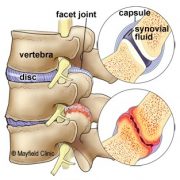
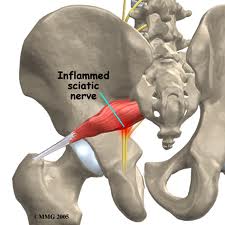
Sustained sitting puts your spine in a compressed, flexed position, especially if you’re slouching or driving with one hand. Combine that with dehydration, poor seat ergonomics, and minimal movement, and it’s no surprise we see flare-ups in disc irritation, sciatica, and hip tightness post-trip.
Here’s how to protect your body while traveling:
- Stop every 60–90 minutes for a 5-minute movement break. Walk, stretch, or do a few standing extensions.
- Pack a lumbar support (even a small towel behind your low back) to maintain a neutral spine.
- Adjust your seat angle so hips are slightly higher than knees.
- At gas stops or bathroom breaks: Try 10 standing cat-cows, 10 glute squeezes, and 5 standing thoracic rotations.
4. Know When Pain Is a Signal (and What to Do About It)
Let’s be clear: some discomfort is normal when returning to activity. Muscle soreness after a hike or stiffness the morning after surfing is part of the process. But sharp, persistent, or one-sided pain is a red flag.
- 🚩 Pain that worsens over time
- 🚩 Pain that limits motion or load
- 🚩 Pain that lingers more than 3–4 days after activity
These are signs you need a professional assessment. Don’t wait until the pain forces you to stop. Early intervention = faster recovery.
At Peak Form, we specialize in helping active adults manage early-stage injuries and get back to doing what they love—with an actionable plan.
5. Recovery Is a Performance Strategy, Not an Afterthought
Summer is often when people ramp up their activity and decrease sleep, hydration, and nutrition. The combination is a recipe for burnout and breakdown.
- ✅ Hydrate early and often—especially if you’re in the sun
- ✅ Eat enough protein and micronutrients to support tissue repair
- ✅ Use heat, compression, or mobility drills for recovery—ditch the ice unless it’s for a true injury
- ✅ Get 7–8+ hours of sleep consistently
Recovery isn’t passive—it’s a skill that amplifies your performance and prevents overuse injuries.
Final Thoughts: Movement Is a Privilege—Protect It
Pain doesn’t mean you’re broken. But it does mean your body is asking for attention.
This summer, take the proactive route. Don’t wait for the wheels to fall off before you seek help. Whether you’re training for a race, returning to hiking, or just trying to enjoy more movement without setbacks—we can help you build the plan.
Want help getting your body summer-ready?
Book a tune-up session or strength screen with one of our providers.