

Quick Summary
Shockwave therapy can be an effective treatment for plantar fasciitis—especially when symptoms have become persistent or keep returning.
It works by delivering acoustic energy into irritated tissue to help:
- Stimulate healing
- Reduce pain
- Improve tolerance to activity
But shockwave works best when paired with progressive rehab and load management, not as a standalone fix.
What Is Shockwave Therapy?
Shockwave therapy (also called acoustic wave therapy or extracorporeal shockwave therapy) uses targeted sound waves to stimulate healing in tissue that has struggled to recover.
For plantar fasciitis, this can help address tissue that has become irritated from repeated stress over time.
At Peak Form, shockwave is integrated into a broader treatment plan—not used as a one-off quick fix.
How Shockwave Therapy Helps Plantar Fasciitis
Plantar fasciitis is often less about acute inflammation and more about tissue that has become overloaded and less tolerant to stress.
Shockwave may help by:
- Increasing local blood flow
- Stimulating healing activity within the tissue
- Reducing pain sensitivity
- Improving your ability to tolerate rehab and movement
Think of it as helping create a better environment for recovery.

Shockwave therapy helps stimulate healing in stubborn plantar fascia tissue—best paired with progressive rehab for stronger, longer-lasting results.
Who Is a Good Candidate?
Shockwave may be a strong option if:
- Your plantar fasciitis has been lingering for weeks or months
- Symptoms keep returning
- Rest and stretching have not solved the problem
- Morning heel pain remains stubborn
- Running or activity keeps triggering flare-ups
It’s especially useful for people who want to stay active while recovering.
What Does Treatment Feel Like?
Most patients describe it as:
- Intense but tolerable
- A deep tapping or pulsing sensation
- Sometimes more sensitive directly over the irritated area
Treatment is brief, and intensity can be adjusted based on tolerance.
How Many Sessions Does It Take?
This depends on symptom duration and severity, but many cases involve:
6–8 sessions over several weeks.
Some people feel improvement quickly.
Others improve more gradually as tissue capacity builds.
The key is remembering:
Shockwave is not the plan.
It supports the plan.
Why Shockwave Alone Isn’t Enough
This is where expectations matter.
Shockwave can help reduce pain and encourage healing.
But if you go right back to the same loads without improving capacity, symptoms often return.
That’s why the best outcomes come from combining shockwave with:
- Progressive strengthening
- Running/activity modification
- Calf and foot capacity work
- Return-to-activity progression
What We Pair It With at Peak Form
At Peak Form, treatment may include:
- Shockwave therapy
- Active Release Technique
- Soft tissue and joint treatment
- Strength programming
- Foot and calf rehab
- Return-to-run progressions when appropriate
Our goal is not just symptom relief.
It’s helping you return stronger.
Is Shockwave Better Than Rest?
Rest can reduce symptoms temporarily.
But rest alone doesn’t improve tissue capacity.
Shockwave plus progressive rehab often helps people:
- Recover faster
- Stay active
- Build more durable results
Is Shockwave Safe?
Shockwave is generally well tolerated and commonly used for chronic tendon and fascia-related conditions.
That said, it’s important to determine whether you’re actually a good candidate.
Not all heel pain is plantar fasciitis.
A proper evaluation matters.
When to Consider Shockwave
Shockwave makes the most sense when:
- Progress has stalled
- Symptoms are chronic
- You want a more proactive recovery strategy
- You’re tired of short-term fixes
The Bottom Line
Yes—shockwave therapy can be a powerful tool for plantar fasciitis.
But it works best as part of a bigger strategy focused on healing, strength, and return to activity.
That’s where the difference is.
What To Read Next
👉 Plantar Fasciitis Treatment in San Diego: What Actually Works
👉 Best Exercises for Plantar Fasciitis
👉 Running With Plantar Fasciitis: Should You Stop or Modify?
Ready to Move Forward?
If plantar fasciitis has been limiting your activity, we can help.
At Peak Form Health Center, we combine targeted treatment with rehab-based solutions to help you move from pain to performance.
Schedule Your Appointment

Our Office
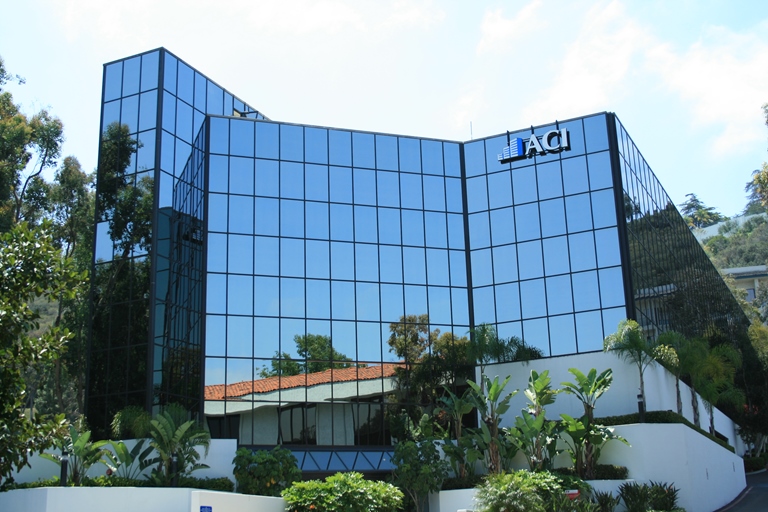
Peak Form Health Center
2635 Camino del Rio South, Suite 301
San Diego, CA 92108
TEL: (619) 818-4306

