

Quick Summary
Shockwave therapy is an evidence-based treatment that can help people with golfer’s elbow (medial epicondylitis) by stimulating tissue healing, improving circulation, and reducing chronic tendon pain. It is especially useful for cases that have lingered for months or failed to improve with rest alone. At Peak Form Health Center, we combine shockwave therapy with hands-on treatment and progressive rehab exercises for better long-term outcomes. Many patients begin noticing improvement within a few sessions, with a typical plan ranging from 6–8 visits depending on severity and duration.
What Is Golfer’s Elbow?
Golfer’s elbow, medically known as Medial Epicondylitis, is irritation or degeneration of the tendon where the forearm flexor muscles attach to the inside of the elbow.
Despite the name, you do not need to play golf to develop it.
It commonly affects:
- Golfers
- Tennis players
- Baseball players especially pitcher’s
- Weightlifters
- Tradespeople using tools
- Desk workers with repetitive gripping, typing or mouse use
- Parents lifting children repeatedly
Pain is usually felt on the inside of the elbow, and may worsen with gripping, pulling, wrist flexion, or lifting.

Why Golfer’s Elbow Often Becomes Chronic
Many people assume they just need rest.
But chronic tendon pain often involves:
- Reduced tendon capacity
- Poor load tolerance
- Degenerative tendon changes
- Weakness in the forearm and shoulder chain
- Repeated overload without recovery
- Returning to activity too aggressively
This is why temporary rest may calm symptoms—but pain often returns once activity resumes.
Tendonitis vs. Tendinosis: Why the Difference Matters
Many people use the term tendonitis to describe golfer’s elbow, but long-lasting tendon pain is often better understood as tendinosis.
Tendonitis refers to a more acute inflammatory irritation of the tendon. This may happen after a sudden increase in gripping, lifting, swinging, or repetitive use. In these cases, short-term rest, activity modification, and calming strategies may be helpful.
Tendinosis describes a more chronic tendon problem where the tissue has lost some of its capacity and has gone through degenerative change over time. This is common when elbow pain has lasted for several weeks or months. With tendinosis, rest alone usually is not enough because the tendon needs to be gradually reconditioned.
This matters because care should match the stage of the problem. Early irritation may need short-term symptom control, while chronic golfer’s elbow usually needs a more comprehensive plan that includes progressive loading, grip and forearm strengthening, shoulder and trunk support, and treatments like shockwave therapy to help stimulate the healing process.
How Shockwave Therapy Helps Golfer’s Elbow
Shockwave Therapy uses acoustic pressure waves delivered to injured tissue.
These waves may help:
- Stimulate healing response
- Improve local blood flow
- Reduce pain sensitivity
- Break the cycle of chronic tendon irritation
- Improve tissue remodeling
For stubborn golfer’s elbow, shockwave can help “restart” a healing process that has stalled.
Why Our Approach Works Better
At Peak Form Health Center, we do not rely on shockwave alone.
We combine it with:
Thorough Diagnosis
Not all inner elbow pain is golfer’s elbow. We assess for:
- Ulnar nerve irritation
- Cervical referral from the neck
- Flexor/pronator strain
- Joint irritation
- Grip overload mechanics
Hands-On Treatment
When helpful, we may include:
- Soft tissue treatment
- Joint mobilization
- Movement prep
- Load modification strategies
Progressive Rehab
This is the long-term solution.
Typical rehab may include:
- Isometric wrist flexion loading
- Heavy slow resistance for forearm flexors
- Grip strength progression
- Shoulder/scapular strengthening
- Rotational power work for sport return
- Swing or throwing load progressions
How Many Sessions Does It Take?
Every case is different, but common ranges are:
- Mild / recent cases: 4-6 visits
- Moderate / chronic cases: 6–8 visits
- Long-standing stubborn cases: 8+ visits with rehab progression
Many people notice improvement after the first few sessions, but full tendon remodeling takes time.
What Does Shockwave Feel Like?
Most patients describe it as intense but tolerable.
Shockwave treatment sessions are usually around 5–10 minutes for the elbow region. Intensity can be adjusted based on comfort and tissue response. Additional time is spent reviewing, modifying, and/or progressing rehab.
Some soreness afterward is normal and temporary.
Who Is a Good Candidate?
Shockwave may be a great fit if:
- You’ve had golfer’s elbow for more than 6 weeks
- Rest has not solved it
- You keep flaring up when returning to golf, gym, or other activities
- You want to avoid injections if possible
- You want to fix the issue, not just mask symptoms
Can You Still Exercise?
Usually yes—with the right plan.
We often modify rather than stop activity entirely.
Examples:
- Reduce gripping volume
- Use straps or implement changes temporarily
- Adjust lifting loads
- Maintain lower body and cardio training
- Progress forearm loading strategically
Staying active often helps recovery.
Why Choose Peak Form Health Center?
At Peak Form, shockwave therapy is delivered by experienced providers and integrated into a full treatment strategy.
That means:
- Expert diagnosis
- Provider-performed shockwave sessions
- Customized rehab progressions
- Return-to-sport planning
- Long-term resilience, not short-term fixes
We help active adults move from pain to performance.
Golfer’s Elbow in San Diego? We Can Help.
If inner elbow pain is limiting your golf game, workouts, work duties, or daily life, shockwave therapy may be a smart next step.
At Peak Form Health Center, we help patients overcome stubborn tendon pain with a modern, comprehensive approach.
Book an evaluation today and let’s build your comeback plan.
Schedule Your Appointment

Our Office
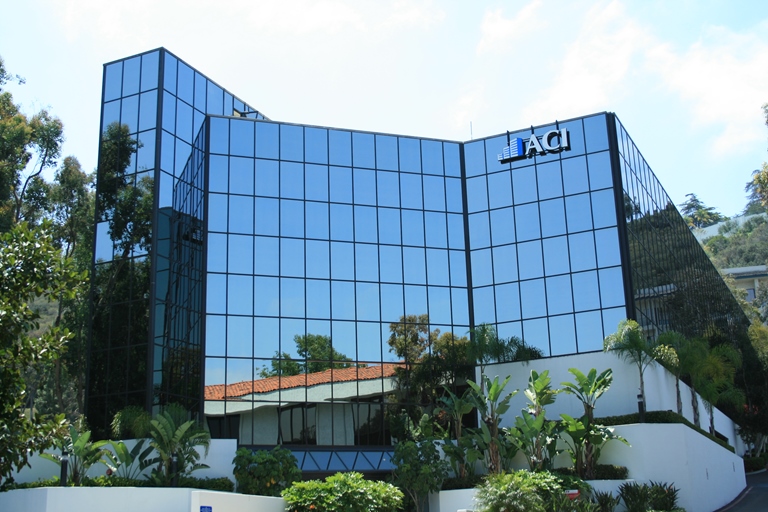
Peak Form Health Center
2635 Camino del Rio South, Suite 301
San Diego, CA 92108
TEL: (619) 818-4306

