5-Minute Daily Hopping Routine Boosts Running Economy in Amateur Runners, Study Finds

Improve Running Efficiency with a Simple Daily Routine
A 2023 study published in Scientific Reports reveals that a short, progressive hopping routine can significantly improve running economy (RE) in amateur runners. Running economy is a key performance metric—lower oxygen cost at a given pace means better endurance, faster race times, and less fatigue.
What Is Running Economy—and Why Does It Matter?
Running economy refers to how efficiently your body uses oxygen while running at submaximal speeds. Better RE means your body uses less energy to maintain a given pace, allowing you to run faster, longer, and more efficiently.
Improving RE can give runners a competitive edge without increasing training volume or intensity—especially valuable for amateur athletes managing busy schedules or training loads.
The Study: Can Hopping Improve Running Economy?
In a randomized controlled trial, 34 amateur runners were split into two groups:
- Control Group: Maintained regular running routine
- Hopping Group: Added a 5-minute daily hopping routine for 6 weeks
Each participant continued their normal training, but only the hopping group performed the additional plyometric protocol.
The Hopping Protocol: How It Works
The hopping routine consisted of two-legged hops with minimal ground contact. These are often called POGOs: check out this video to see an example of the hopping.
The protocol progressed weekly to increase training density. Here’s the full breakdown:
| Week | Sets | Hop Duration | Total Hop Time | Rest Between Sets |
|---|---|---|---|---|
| 1 | 5 | 10 sec | 50 sec | 50 sec |
| 2 | 6 | 10 sec | 60 sec | 40 sec |
| 3 | 8 | 10 sec | 80 sec | 30 sec |
| 4 | 10 | 10 sec | 100 sec | 20 sec |
| 5 | 15 | 10 sec | 150 sec | 10 sec |
| 6 | 15 | 10 sec | 150 sec | 10 sec |
Despite the short duration, the hopping group experienced significant improvements in performance.
Key Findings: Hopping Improves High-Speed Running Economy
Here’s what the study discovered:
- ✅ Improved running economy at 12 and 14 km/h in the hopping group
- ✅ No change in VO₂ max, meaning aerobic capacity remained unchanged
- ✅ No reported injuries, and the program was well tolerated
- ✅ Increased respiratory exchange ratio (RER), suggesting more efficient fuel use
These results indicate that tendon stiffness, energy storage efficiency, and perhaps even metabolic changes may all contribute to performance improvements.
Why Plyometric Hopping Helps Runners
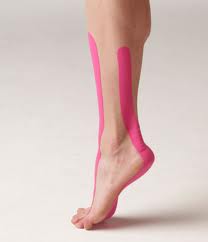
The hopping routine mimics the stretch-shortening cycle used in running, particularly activating the Achilles tendon. This improves stiffness and elastic recoil, allowing for better energy return. It’s also possible the intervention improved muscle coordination and neuromuscular efficiency.
Practical Tips: How to Add Hopping to Your Running Routine
If you’re a recreational or competitive runner looking for a time-efficient way to enhance performance, try adding 5 minutes of hopping to your daily routine:
- Form is key: Hop vertically, keep knees extended, minimize ground contact time
- Progress as outlined above: Increase sets weekly while reducing rest
- Stick with it daily: Consistency matters more than intensity
This method is quick, simple, and doesn’t interfere with your regular running program.
Conclusion: A Small Habit, Big Gains
This study provides compelling evidence that daily hopping is a safe, effective, and low-commitment way to improve running economy in amateur runners. Whether you’re chasing a PR or just want to feel more efficient on your runs, consider jumping into this new habit.